
Nope, you will still get carbonation, but it depends how much the bottles are leaking. I recently bought bottle caps for old kombucha bottles I have, their original caps were thrown away so I ordered what I thought were good ones. I filled almost 30 of them up and found out they were also leaking like yours, but they still carbonated really well.
If anything, it prevented the overly excess fizz that would turn my bottles into a nuke, my kitchen is much cleaner now.
Rose petals and pomegranate are my top choices, they work well every time and are not too sweet. I don't even have to add any sugar to it to get carbonation either.
I asked myself the same question. In my mind, each and every F1 is a batch, but, I would also think of the F2s in a way as a batch if I am using a different recipe and trying out different things. But I guess that because everything in F2 comes from F1, F1 is what counts as the batch.
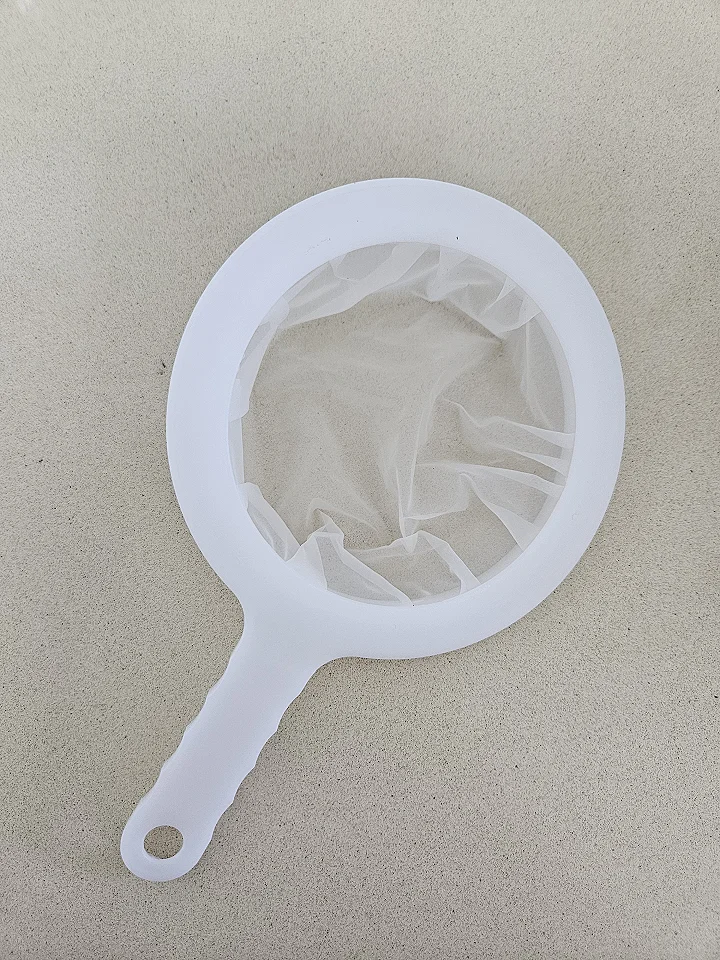
If your kombucha has very little carbonation, I would say this would almost completely remove the carbonation entirely. So it depends how much carbonation you currently have. As others have mentioned, running kombucha through sieves and filters does reduce carbonation, the type of sieve does make a difference, and the sieve you have in your picture seems like a mesh one, which does reduce carbonation by a lot.
Yep. This was answered here https://boochmakers.com/questions/can-i-add-more-sugar-and-leave-it-to-ferment-longer-if-it-didnt-carbonate-during-f2-11/.
General answer is yes though. Putting your kombucha in the fridge slows down the fermentation by a lot, but, its still fermenting. Taking it out of the fridge and allowing it to go back to the ideal fermentation temperatures and leaving it out will just put it back in "fermenting" mode and continue to ferment. The amount of time until it becomes more carbonated though depends on how much sugar is still in there, and how much carbonation you are expecting to get.
My advice is to have a little journal to document everything you are doing, the batches, ingredients, time frames for F1 and F2, the amount of sugar, and of course the result. Even if a batch did not fizz, it doesn't mean it was wasted if you can learn from it :).