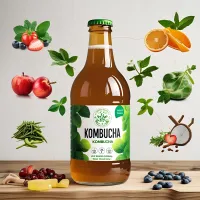
What Is Kombucha And Why Is It So Popular?


In the ever-evolving landscape of health and wellness, few beverages have captured public attention quite like kombucha. Walk into any grocery store today, and you'll find entire refrigerator sections dedicated to this fizzy, tangy drink that promises to deliver powerful probiotics with every sip. But what exactly is kombucha, and why has this ancient fermented tea become such a modern phenomenon?
Kombucha's journey from ancient elixir to contemporary health trend is nothing short of remarkable. This effervescent beverage, with its distinctive sweet-and-sour flavor profile, has transcended its humble origins to become a global wellness phenomenon. From health-conscious millennials to wellness enthusiasts of all ages, people are turning to kombucha not just for its unique taste, but for its potential to support digestive health, boost immunity, and provide a natural energy lift.
The appeal of kombucha lies in its perfect combination of ancient wisdom and modern health consciousness. As consumers increasingly seek alternatives to conventional soft drinks and embrace functional beverages, kombucha offers a compelling solution that satisfies both taste preferences and health goals.
In this comprehensive guide, we'll explore the fascinating world of kombucha, uncovering its rich history, understanding the science behind its fermentation process, and examining the compelling reasons behind its explosive popularity. Whether you're a curious newcomer or looking to deepen your kombucha knowledge, this article will provide you with everything you need to understand this remarkable beverage and its place in modern wellness culture.
- What Is Kombucha? Understanding The Basics
- The Fascinating History Of Kombucha
- The SCOBY: The Heart Of Kombucha
- The Fermentation Process: From Tea To Kombucha
- First Fermentation: The Foundation
- Factors Affecting Fermentation
- Second Fermentation: Flavor And Fizz
- The Nutritional Profile Of Kombucha
- Health Benefits Of Kombucha: What Science Says
- Digestive Health And Gut Microbiome
- Immune System Support
- Antimicrobial Properties
- Mental Health And Gut-Brain Connection
- Antioxidant Properties
- Potential Mental Health Benefits
- Cardiovascular Health
- Weight Management Support
- Why Kombucha Has Become So Popular
- The Wellness Revolution And Market Growth
- Consumer Demographics And Market Drivers
- The Sober Curious Movement
- The Rise Of Alternative Beverages
- Celebrity And Influencer Endorsements
- Market Accessibility
- The Kombucha Industry: Market Growth, Trends, And Consumer Dynamics
- Global Market Growth And Projections
- Consumer Demographics And Purchasing Motivations
- Regional Market Distribution
- Leading Brands And Market Players
- Innovation Trends And Market Evolution
- Quick Takeaways
- Commonly Asked Questions About Kombucha
- 1. Is Kombucha Safe To Drink Daily?
- 2. Does Kombucha Contain Alcohol?
- 3. How Much Sugar Is In Kombucha?
- 4. Can Kombucha Help With Weight Loss?
- 5. What's The Difference Between Store-bought And Homemade Kombucha?
- Conclusion
- References
What Is Kombucha? Understanding the Basics
Kombucha is a fermented tea beverage that combines sweetened tea with a living culture of bacteria and yeast, commonly known as a SCOBY (Symbiotic Colony of Bacteria and Yeast). This unique fermentation process transforms ordinary tea into a fizzy, probiotic-rich drink that's both refreshing and potentially beneficial for health.
The Kombucha Composition
At its core, kombucha consists of four primary ingredients:
- Tea: Usually black or green tea, which provides the base and essential nutrients for fermentation
- Sugar: Added to feed the SCOBY during the fermentation process
- Water: The foundation that brings all ingredients together
- SCOBY: The living culture that drives the fermentation process
During fermentation, the SCOBY consumes the sugar and tea nutrients, producing various beneficial compounds including probiotics, organic acids, vitamins, and enzymes. This process typically takes 7-14 days, resulting in the characteristic tart, slightly sweet flavor and natural carbonation that kombucha enthusiasts love.
The Science Behind Fermentation
The fermentation process that creates kombucha is a complex biochemical dance between bacteria and yeast. The yeast component breaks down sugars, producing alcohol and carbon dioxide (which creates the fizz), while the bacterial component converts the alcohol into beneficial organic acids like acetic acid and gluconic acid.
This dual fermentation process is what makes kombucha unique among fermented beverages. Unlike other fermented drinks that rely primarily on either bacteria or yeast, kombucha's symbiotic culture creates a more complex flavor profile and a broader range of potential health benefits.
Kombucha vs. Other Fermented Beverages
While kombucha shares some characteristics with other fermented drinks like kefir, kimchi brine, or traditional kvass, several factors set it apart:
Alcohol Content: Kombucha typically contains less than 0.5% alcohol by volume, making it legal to sell as a non-alcoholic beverage in most countries.
Probiotic Diversity: The SCOBY culture in kombucha can contain dozens of different probiotic strains, potentially offering more diverse benefits than single-strain fermented products.
Flavor Complexity: The combination of tea tannins, organic acids, and residual sugars creates a more complex flavor profile than many other fermented beverages.
The Fascinating History of Kombucha
Kombucha's remarkable journey through time spans over two millennia, weaving through ancient empires, surviving world wars, and ultimately emerging as one of today's most celebrated health beverages. This rich history not only helps us understand kombucha's cultural significance but also explains why this fermented tea has maintained its reputation as a healing elixir across so many different civilizations and time periods.
Ancient Origins
Kombucha's history stretches back over 2,000 years, with most historians tracing its origins to Northeast China around 220 BCE during the Tsin Dynasty. Originally called "the Tea of Immortality," this fermented beverage was prized by ancient Chinese emperors who believed in its life-extending properties.
The drink's journey across continents tells a story of cultural exchange and adaptation. From China, kombucha traveled along trade routes to Russia, where it became known as "tea kvass" and gained popularity among the aristocracy. The Russian word "kombukha" (tea) and "cha" (tea in Chinese) eventually evolved into the modern term "kombucha."
Modern Rediscovery
After centuries of traditional preparation in various cultures, kombucha experienced a renaissance in the late 20th century. Health-conscious individuals began rediscovering this ancient beverage, attracted by its potential probiotic benefits and unique flavor profile.
The modern kombucha movement gained momentum in the 1990s when health food stores began selling commercially produced versions. However, it wasn't until the 2010s that kombucha truly exploded in popularity, coinciding with increased awareness of gut health and the microbiome's role in overall wellness.
Cultural Significance
Throughout its history, kombucha has held special significance in various cultures:
In Russia: Traditional families often passed down SCOBY cultures through generations, treating them as precious family heirlooms.
In Germany: During World War II, kombucha was used as a vitamin C source when fresh fruits were scarce.
In Modern America: Kombucha has become a symbol of the health and wellness movement, representing a return to traditional, probiotic-rich foods.
The SCOBY: The Heart of Kombucha
At the center of every batch of kombucha lies one of nature's most remarkable symbiotic organisms - the SCOBY (Symbiotic Culture of Bacteria and Yeast). This living culture is responsible for transforming ordinary sweet tea into the complex, probiotic-rich beverage that has captivated health enthusiasts worldwide. Understanding the SCOBY and its role in fermentation is key to appreciating why kombucha has such unique properties and potential health benefits.
Understanding the SCOBY
The SCOBY is perhaps the most fascinating and mysterious aspect of kombucha brewing. The term SCOBY stands for "Symbiotic Culture of Bacteria and Yeast" and refers to the entire living ecosystem - not just the visible pellicle (rubbery disk) that forms on top, but the complete culture including all the liquid starter tea and the microorganisms throughout. This living culture contains multiple species of bacteria and yeast working in perfect harmony. Common bacterial strains found in kombucha cultures include Acetobacter, Lactobacillus, and Gluconobacter, while yeast species often include Saccharomyces cerevisiae and Brettanomyces.
How SCOBYs Form and Grow
The SCOBY (the entire culture including liquid and pellicle) develops through a fascinating process. The bacteria in the culture produce cellulose fibers that form a pellicle - the visible, rubbery disk that appears on the surface. This pellicle is just one component of the SCOBY, not the SCOBY itself. As the SCOBY culture feeds on sweet tea, the pellicle grows thicker and can eventually split into multiple layers, allowing brewers to share cultures with others.
This self-replicating nature of kombucha cultures has contributed significantly to kombucha's grassroots popularity. Home brewers often share SCOBY cultures (including both liquid starter tea and pellicle portions) with friends and family, creating a community of kombucha enthusiasts who support each other's brewing journeys.
SCOBY Care and Maintenance
Proper SCOBY care is essential for successful kombucha brewing:
Feeding: Kombucha cultures require regular feeding with sweetened tea to maintain their health and activity.
Environment: They thrive in slightly acidic conditions (pH 2.5-3.5) at room temperature.
Storage: Between brews, kombucha cultures can be stored in a SCOBY hotel (a container with sweet tea) for extended periods.
The Fermentation Process: From Tea to Kombucha
The transformation of sweet tea into kombucha is a fascinating biochemical process that involves complex interactions between bacteria, yeast, and the nutrients in tea. This fermentation process, which typically takes 7-14 days, is what gives kombucha its distinctive flavor profile, natural carbonation, and beneficial compounds. Understanding this process helps explain why kombucha is so different from other beverages and why it offers such unique health potential.
First Fermentation: The Foundation
The first fermentation is where the magic begins. Sweet tea (typically black or green) is combined with a healthy kombucha culture (SCOBY) and some starter tea from a previous batch. Over 7-14 days, the SCOBY transforms the sweet tea through several key processes:
Sugar Conversion: The yeast breaks down sucrose into simpler sugars, then into alcohol and carbon dioxide.
Acid Production: Bacteria convert alcohol into organic acids, creating kombucha's characteristic tangy flavor.
Probiotic Development: Beneficial bacteria multiply, creating the probiotic content that makes kombucha so valuable for gut health.
pH Reduction: The liquid becomes increasingly acidic, which helps preserve the final product and inhibit harmful bacteria.
Factors Affecting Fermentation
Several variables influence the fermentation process:
Temperature: Warmer temperatures (75-85°F) speed fermentation, while cooler temperatures slow it down.
Time: Longer fermentation creates more acidic, less sweet kombucha with higher probiotic content.
Tea Type: Different teas provide varying nutrients, affecting flavor and kombucha culture health.
Sugar Source: While white sugar is traditional, alternatives like honey or maple syrup can create unique flavors.
Second Fermentation: Flavor and Fizz
Many kombucha enthusiasts opt for a second fermentation to enhance flavor and carbonation. This process involves:
- Flavoring: Adding fruits, herbs, spices, or other natural flavoring agents
- Bottling: Transferring the kombucha to airtight containers
- Carbonation: Allowing natural carbonation to build over 2-4 days
- Refrigeration: Slowing fermentation to maintain optimal flavor and carbonation
The Nutritional Profile of Kombucha
Beyond its refreshing taste and fizzy texture, kombucha offers a complex nutritional profile that sets it apart from conventional beverages. The fermentation process doesn't just create probiotics - it also enhances the bioavailability of nutrients from tea while producing beneficial compounds that aren't found in the original ingredients. This unique nutritional composition is a key factor in kombucha's growing reputation as a functional beverage.
Probiotic Content
Kombucha's most celebrated component is its probiotic content. These beneficial bacteria can include:
Lactobacillus: Known for supporting digestive health and immune function
Acetobacter: Helps produce beneficial organic acids
Gluconobacter: Contributes to the fermentation process and creates unique compounds
Research suggests that kombucha can contain anywhere from 10 million to 100 million colony-forming units (CFUs) of probiotics per 8-ounce serving, though this varies significantly based on brewing methods and quality.
Vitamins and Minerals
Kombucha provides several essential nutrients:
B Vitamins: Including B1 (thiamine), B2 (riboflavin), B3 (niacin), B6, B9 (folate), and B12
Vitamin C: Particularly when made with green tea or added citrus fruits
Antioxidants: From the tea base, including polyphenols and catechins
Minerals: Small amounts of iron, zinc, copper, and manganese
Organic Acids
The fermentation process produces various organic acids that contribute to kombucha's health benefits:
Acetic Acid: Has antimicrobial properties and may help regulate blood sugar
Gluconic Acid: Supports liver detoxification
Lactic Acid: Aids in digestion and nutrient absorption
Malic Acid: May help with energy production at the cellular level
Health Benefits Of Kombucha: What Science Says
While kombucha has been celebrated for its health-promoting properties for centuries, modern scientific research is beginning to validate many of these traditional claims. The growing body of peer-reviewed studies on kombucha and its components provides valuable insights into how this fermented beverage may support human health. It's important to note that while research is promising, most studies have been conducted in laboratory settings or small human trials, and more large-scale research is needed to fully understand kombucha's therapeutic potential.
Digestive Health and Gut Microbiome
The most well-researched benefit of kombucha relates to digestive health. According to recent clinical research published in medical journals, the probiotics in kombucha may help:
Balance Gut Bacteria: Supporting a healthy microbiome by introducing beneficial bacteria similar to those naturally present in the gut
Improve Digestion: Enhancing the breakdown and absorption of nutrients, with studies showing potential benefits for conditions like inflammatory bowel disease
Reduce Inflammation: Research suggests probiotics may help decrease inflammation in the digestive tract and support overall immune function
Support Intestinal Barrier Function: Helping maintain the integrity of the gut lining, which is crucial for preventing harmful bacteria from entering the bloodstream
A 2019 systematic review published in Annals of Epidemiology examined empirical evidence of kombucha's human health benefits, finding promising results for digestive health support, though researchers noted the need for more large-scale human studies.
Immune System Support
The gut-immune connection is well-established in scientific literature, with approximately 70% of immune cells located in the digestive tract. According to the National Center for Complementary and Integrative Health, probiotic-rich foods like kombucha may support immune function through:
Enhanced Immune Response: Probiotics can help train immune cells to respond appropriately to threats
Reduced Pathogen Colonization: Beneficial bacteria compete with harmful microorganisms for resources and space
Anti-inflammatory Effects: Certain probiotic strains may help regulate inflammatory responses throughout the body
Clinical studies suggest that maintaining a healthy balance of gut bacteria through probiotic consumption can promote immune health and may help reduce the risk of infections.
Antimicrobial Properties
Research has identified significant antimicrobial benefits from kombucha consumption. The fermentation process produces acetic acid (also present in vinegar), which studies show has antimicrobial properties. According to peer-reviewed research:
Pathogen Inhibition: Kombucha may help kill harmful microbes and bacteria before the body absorbs them
Broad-Spectrum Activity: Studies suggest kombucha has antimicrobial effects against a range of bacteria, though more human research is needed to confirm clinical applications
Natural Preservation: The antimicrobial compounds in kombucha help preserve the beverage naturally and may provide similar protective effects in the digestive system
Mental Health and Gut-Brain Connection
Emerging research explores the potential mental health benefits of kombucha through the gut-brain axis. A 2017 review published in scientific literature found:
Probiotic-Depression Link: Strong evidence suggests probiotic supplements may help relieve depression symptoms
Gut-Brain Communication: The connection between gut health and mental wellness is increasingly supported by scientific research
Stress Response: While specific studies on kombucha's mental health effects are limited, the probiotic content may support healthy stress responses and mood regulation
However, researchers emphasize that while probiotic-rich foods show promise, more specific studies on kombucha's mental health benefits are needed.
Antioxidant Properties
When made with green tea, kombucha retains many of the tea's powerful antioxidants, including:
EGCG (Epigallocatechin Gallate): A potent antioxidant with anti-inflammatory properties that may support liver health
Polyphenols: Compounds that help protect cells from oxidative stress and may reduce the risk of chronic diseases
Vitamin C: An essential antioxidant that supports immune function and collagen production
Research suggests that the fermentation process may actually enhance the bioavailability of some antioxidants, making them easier for the body to absorb and utilize.
Potential Mental Health Benefits
Emerging research on the gut-brain axis suggests that kombucha's probiotic content may support mental health through:
Neurotransmitter Production: Some probiotic strains can produce neurotransmitters like serotonin and GABA
Stress Response: A healthy gut microbiome may help regulate the body's stress response
Inflammation Reduction: Lower inflammation levels are associated with improved mood and cognitive function
While more research is needed, preliminary studies suggest that probiotic consumption may help reduce symptoms of anxiety and depression.
Cardiovascular Health
Some studies suggest that kombucha may support heart health through:
Cholesterol Management: Probiotics may help regulate cholesterol levels
Blood Pressure Support: Certain compounds in kombucha may have modest blood pressure-lowering effects
Antioxidant Protection: The antioxidants in kombucha may help protect against cardiovascular disease
Weight Management Support
While not a magic weight-loss solution, kombucha may support healthy weight management through:
Metabolism Support: Some probiotic strains may influence metabolism
Appetite Regulation: A healthy gut microbiome may help regulate hunger hormones
Sugar Cravings: The natural sweetness and probiotics may help reduce cravings for processed sweets
Why Kombucha Has Become So Popular
Understanding kombucha's meteoric rise requires examining the convergence of multiple cultural, health, and economic trends that have shaped consumer behavior over the past two decades. From a niche health food store curiosity to a multi-billion dollar industry, kombucha's popularity represents more than just a beverage trend - it reflects a fundamental shift in how people think about food, health, and wellness.
The Wellness Revolution and Market Growth
Kombucha's popularity surge coincides with a broader wellness revolution that began in the early 2000s. The remarkable market expansion tells the story: from a niche health food store product to a $4.26 billion global market in 2024, with projections reaching $9.09 billion by 2030. Several cultural shifts have contributed to this phenomenon:
Gut Health Awareness: Increased understanding of the microbiome's role in overall health has made probiotic foods more appealing, with 66% of kombucha consumers specifically drinking it for probiotic benefits according to recent surveys
Functional Foods Trend: People want foods that do more than just provide nutrition—they want functional benefits, driving the global functional food market growth
Natural Foods Movement: Consumers are increasingly seeking natural, minimally processed alternatives to conventional products, with conventional kombucha accounting for 91.6% of global revenue in 2024
Social Media Influence: Instagram-worthy kombucha bottles and brewing setups have helped spread awareness, contributing to brand visibility and consumer education
Consumer Demographics and Market Drivers
The kombucha market is driven by specific demographic trends and consumer behaviors:
Health-Conscious Millennials: This generation focuses on preventive health approaches and values authentic, craft products over mass-produced alternatives. They represent the largest consumer segment for functional beverages.
Geographic Concentration: North America dominates with 44.1% of global market share, while the Asia Pacific region shows the fastest growth at 14.4% CAGR, indicating global expansion potential
Distribution Channel Evolution: Off-trade channels are expected to grow at 15.4% CAGR from 2025 to 2030, reflecting increased retail availability and consumer accessibility
Premium Positioning: Consumers are willing to pay premium prices for quality kombucha, with average retail prices significantly higher than conventional soft drinks
The Sober Curious Movement
A significant driver of kombucha popularity is the growing "sober curious" movement, where consumers are reducing alcohol consumption:
Lower-Alcohol Alternative: Hard kombucha, which typically contains 0.5% to 2% alcohol, provides a sophisticated alternative for those limiting alcohol intake
Social Replacement: Kombucha offers a complex, adult beverage option for social situations without the effects of alcohol
Health Benefits: Unlike alcohol, kombucha provides potential health benefits while satisfying the desire for a sophisticated, flavorful drink
The Rise of Alternative Beverages
Kombucha has benefited from the significant decline in traditional soft drink consumption:
Sugar Concerns: Health-conscious consumers are reducing sugar intake, making lower-sugar kombucha appealing
Artificial Ingredient Avoidance: People are seeking beverages with natural, recognizable ingredients
Functional Benefits: Unlike traditional sodas, kombucha offers potential health benefits
Craft Culture: The artisanal nature of many kombucha brands appeals to consumers seeking unique experiences
Celebrity and Influencer Endorsements
High-profile endorsements have significantly boosted kombucha's profile:
Celebrity Health Advocates: Stars like Gwyneth Paltrow, Miranda Kerr, and Kourtney Kardashian have publicly endorsed kombucha
Health Influencer Content: Wellness bloggers and nutritionists regularly feature kombucha in their content
Professional Athletic Use: Some professional athletes credit kombucha with supporting their performance and recovery
Market Accessibility
The kombucha market has evolved to meet diverse consumer needs:
Retail Availability: Kombucha is now available in mainstream grocery stores, not just health food shops
Flavor Variety: From traditional tea flavors to exotic fruit combinations, there's something for every palate
Price Points: Options range from affordable store brands to premium craft varieties
Convenience Formats: Ready-to-drink bottles make kombucha accessible for busy lifestyles
The Kombucha Industry: Market Growth, Trends, and Consumer Dynamics
The explosive growth of kombucha from a niche health product to a mainstream beverage represents one of the most remarkable success stories in the modern food and beverage industry. The commercial kombucha industry has evolved from a cottage industry of health food enthusiasts to a $4.26 billion global market in 2024, attracting major beverage corporations and venture capital investment. Understanding the market dynamics behind kombucha's rise helps explain why this ancient fermented tea has captured the attention of consumers, investors, and major food companies worldwide.
Global Market Growth and Projections
The kombucha market has experienced unprecedented growth over the past decade, transforming from a specialty health store product with remarkable expansion milestones:
2015: Market valued at approximately $600 million globally
2020: Market reached $1.8 billion globally
2024: Current market value of $4.26 billion globally
2030 Projection: Expected to reach $9.09 billion
Growth Rate: Representing a compound annual growth rate of 13.5%
This growth trajectory places kombucha among the fastest-growing segments in the functional beverage category. According to recent market research, North America dominates the kombucha market with 44.1% of global revenue share, driven by increasing health consciousness and the growing demand for functional beverages. In the United States alone, the kombucha market is projected to grow at a CAGR of 13.6% from 2025 to 2030.
Consumer Demographics and Purchasing Motivations
Market research reveals fascinating insights into kombucha consumers and their motivations. 66% of kombucha consumers drink it specifically for its probiotic content, indicating that health benefits are the primary driver rather than just taste preference. The typical kombucha consumer is health-conscious, and willing to pay premium prices for functional benefits.
Millennials and Gen Z consumers represent the largest demographic segments, drawn to kombucha's positioning as a natural, functional alternative to traditional soft drinks and energy beverages. These consumers often view kombucha as part of a broader lifestyle focused on wellness, sustainability, and authentic food experiences.
Regional Market Distribution
Kombucha consumption varies significantly by region, reflecting different health trends and market maturity:
North America: Largest market, with the United States leading consumption and highest per-capita consumption rates
Europe: Rapidly growing market, particularly in the UK, Germany, and Netherlands, driven by increasing health consciousness
Asia-Pacific: Emerging market with strong growth potential in Australia and Japan, representing significant future opportunity
Latin America: Developing market with increasing health consciousness driving growth
Leading Brands and Market Players
The kombucha market has been shaped by several pioneering brands that have capitalized on growing health consciousness:
Pioneer Brands: GT's Living Foods, Health-Ade, and Brew Dr. Kombucha have established strong market positions by offering increasingly sophisticated flavors and formulations that appeal to diverse taste preferences while maintaining health-focused positioning
Corporate-Backed Brands: PepsiCo's KeVita and Coca-Cola's investments in kombucha companies demonstrate mainstream recognition
Local Artisans: Small-batch producers serving regional markets and maintaining craft appeal
Private Label: Store brands offered by major retailers making kombucha more accessible
These brands have successfully navigated the challenge of scaling production while maintaining product quality and the "craft" appeal that initially attracted consumers. Their success has attracted attention from major beverage companies, leading to acquisitions and partnerships that are further accelerating market growth.
Innovation Trends and Market Evolution
The industry continues to evolve with new innovations driving market expansion:
Flavor Development: Increasingly sophisticated flavor profiles and seasonal offerings moving beyond traditional tea bases
Functional Ingredients: Addition of adaptogens, CBD, and other functional compounds targeting specific health benefits
Low-Sugar Formulations: Products targeting consumers seeking to reduce sugar intake while maintaining probiotic benefits
Packaging Innovation: Sustainable packaging and portion control options addressing environmental concerns
Hard Kombucha: Alcoholic versions targeting adult beverage consumers and the "sober curious" movement
Quality Improvements: Enhanced production methods ensuring consistency, safety, and higher probiotic counts
Quick Takeaways
• Kombucha is a fermented tea beverage made with a symbiotic culture of bacteria and yeast that transforms sweet tea into a probiotic-rich drink
• Ancient origins with modern appeal: Originally from China over 2,000 years ago, kombucha has experienced explosive growth in the 21st century due to increased awareness of gut health
• Probiotic powerhouse: Contains millions of beneficial bacteria that may support digestive health, immune function, and overall wellness
• Science-backed benefits: Research suggests kombucha may help improve gut health, support immune function, provide antioxidants, and potentially benefit mental health
• Market phenomenon: The global kombucha market is projected to reach $9.09 billion by 2030, driven by health-conscious consumers seeking functional beverages
• Versatile and accessible: Available in numerous flavors and formats, from traditional home-brewed versions to commercial varieties in mainstream stores
• Cultural wellness symbol: Represents the broader trend toward natural, functional foods and the growing understanding of the gut-health connection
Commonly Asked Questions About Kombucha
As kombucha continues to grow in popularity, both newcomers and experienced drinkers have important questions about safety, consumption guidelines, and health benefits. These frequently asked questions address the most common concerns and provide evidence-based answers to help you make informed decisions about incorporating kombucha into your lifestyle.
1. Is kombucha safe to drink daily?
For most healthy adults, drinking kombucha daily in moderate amounts (8-16 ounces) is generally considered safe. However, individuals with compromised immune systems, pregnant women, or those with certain health conditions should consult with healthcare providers before regular consumption. Start with small amounts to assess your body's response.
2. Does kombucha contain alcohol?
Commercial kombucha typically contains less than 0.5% alcohol by volume, which is considered non-alcoholic by FDA standards. However, home-brewed kombucha can sometimes have higher alcohol content if fermentation continues too long. Some companies now produce "hard kombucha" with intentionally higher alcohol levels.
3. How much sugar is in kombucha?
Sugar content varies significantly between brands and brewing methods. Commercial kombucha typically contains 2-8 grams of sugar per 8-ounce serving, which is much less than the original amount added before fermentation. The kombucha culture consumes most of the sugar during the fermentation process.
4. Can kombucha help with weight loss?
While kombucha is not a weight-loss miracle, it may support healthy weight management through its probiotic content, which can influence metabolism and appetite regulation. Its lower sugar content compared to traditional sodas also makes it a better choice for those reducing caloric intake.
5. What's the difference between store-bought and homemade kombucha?
Homemade kombucha often has higher probiotic content and can be customized for flavor and fermentation time. Store-bought versions are pasteurized for safety and shelf-stability, which may reduce probiotic content but ensures consistency and safety. Both can be part of a healthy diet.
Conclusion
Kombucha's remarkable journey from ancient Chinese elixir to modern wellness superstar reflects our evolving understanding of health and nutrition. This fizzy, probiotic-rich beverage has captured the attention of health-conscious consumers worldwide, not just for its unique taste, but for its potential to support digestive health, boost immunity, and provide a natural alternative to conventional soft drinks.
The science behind kombucha's benefits continues to emerge, with research supporting many of the traditional claims about its health-promoting properties. From supporting gut microbiome diversity to providing powerful antioxidants, kombucha offers a compelling combination of tradition and modern nutritional science.
As the kombucha market continues to expand and innovate, we can expect to see even more sophisticated flavors, functional ingredients, and brewing techniques. Whether you're drawn to kombucha for its potential health benefits, unique flavors, or simply as part of a more natural lifestyle, this ancient beverage has proven its staying power in our modern world.
The popularity of kombucha also reflects broader cultural shifts toward preventive health, natural foods, and functional nutrition. As more people recognize the connection between gut health and overall wellness, kombucha stands as a delicious, accessible way to support a healthy microbiome and embrace the wisdom of traditional fermentation practices.
References
-
Jayabalan, R., Malbaša, R. V., Lončar, E. S., Vitas, J. S., & Sathishkumar, M. (2014). A review on kombucha tea—microbiology, composition, fermentation, beneficial effects, toxicity, and tea fungus. Comprehensive Reviews in Food Science and Food Safety, 13(4), 538-550.
-
Kapp, J. M., & Sumner, W. (2019). Kombucha: a systematic review of the empirical evidence of human health benefit. Annals of Epidemiology, 30, 66-70.
-
Marsh, A. J., O'Sullivan, O., Hill, C., Ross, R. P., & Cotter, P. D. (2014). Sequence-based analysis of the bacterial and fungal compositions of multiple kombucha (tea fungus) samples. Food Microbiology, 38, 171-178.
-
National Center for Complementary and Integrative Health. (2019). Probiotics: What You Need To Know. NIH Publication. Retrieved from nccih.nih.gov
-
Villarreal-Soto, S. A., Beaufort, S., Bouajila, J., Souchard, J. P., & Taillandier, P. (2018). Understanding kombucha tea fermentation: A review. Journal of Food Science, 83(3), 580-588.
What's your kombucha story? Have you noticed any health benefits from regular kombucha consumption, or are you curious about starting your kombucha journey? Share your experiences, questions, and favorite flavors in the comments below! If you found this comprehensive guide helpful, please share it with friends who might be interested in learning about this amazing fermented beverage. Follow us for more in-depth articles about fermentation, gut health, and natural wellness solutions.