How To Brew Kombucha Without A Starter Kit

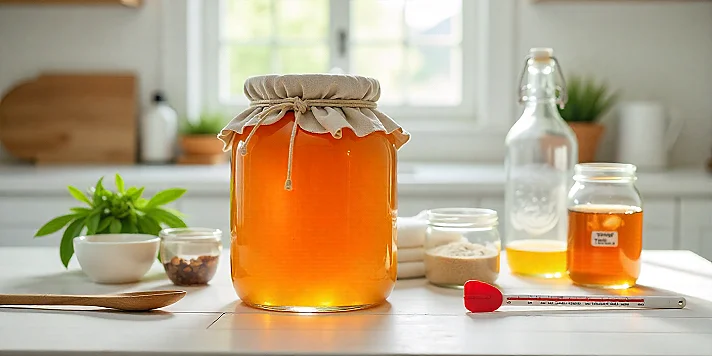
Many kombucha enthusiasts assume they need expensive starter kits to begin brewing, but this couldn't be further from the truth. With basic kitchen items, quality ingredients, and proper knowledge, you can successfully brew kombucha without purchasing specialized kits or equipment packages.
Commercial starter kits often include unnecessary items that inflate costs while providing limited value for serious brewers. By understanding what you actually need and sourcing items individually, you can build a more effective brewing setup while saving significant money. This approach also gives you flexibility to choose quality components rather than accepting whatever comes in a pre-packaged kit.
The key to successful kit-free brewing lies in understanding the fundamental principles of kombucha fermentation and making informed choices about essential equipment. Many experienced brewers prefer this approach because it allows them to customize their setup based on specific needs, brewing volume, and available space.
This comprehensive guide walks you through every step of brewing kombucha without a starter kit, from sourcing essential components to setting up your first fermentation. You'll learn which household items work perfectly for brewing, where to find quality ingredients affordably, and how to build a brewing system that rivals or exceeds commercial kit performance.
- Essential Components You Can Source Separately
- Finding The Right Fermentation Container
- Creating Effective Breathable Covers
- Building Your SCOBY Culture Collection
- Ingredient Sourcing Without Kits
- DIY Equipment Alternatives
- Setting Up Your Brewing System
- Cost Comparison: DIY Vs. Starter Kits
- Conclusion
- Quick Takeaways
- Frequently Asked Questions
- Can I Really Brew Good Kombucha Without Buying A Starter Kit?
- What Household Items Can I Use For Kombucha Brewing?
- Where Can I Find A SCOBY Without Buying A Kit?
- Is Kit-free Brewing More Difficult Than Using A Starter Kit?
- How Much Money Can I Save By Avoiding Starter Kits?
- What's The Biggest Mistake People Make When Brewing Without Kits?
- Can I Upgrade My Setup Gradually Instead Of Buying Everything At Once?
- Are There Any Components Where Kits Actually Offer Better Value?
- References
Essential Components You Can Source Separately
Building a kombucha brewing setup without starter kits requires understanding individual component functions, quality requirements, and sourcing options that provide better value and customization flexibility.
Finding the Right Fermentation Container
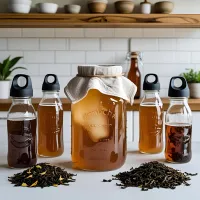
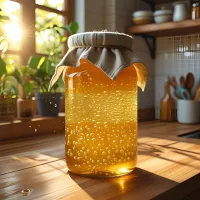
The fermentation vessel is your most important piece of equipment, and you have numerous options that don't require purchasing a complete kit. Focus on finding containers that provide proper environment for SCOBY health and easy monitoring of fermentation progress.
Household Container Options:
- Large pickle jars: Often perfect size and shape, thoroughly cleaned
- Glass cookie jars: Wide mouths ideal for SCOBY handling
- Large mason jars: 1-gallon sizes available at hardware and kitchen stores
- Food storage containers: Glass containers from kitchen supply stores
What Makes a Good Fermentation Vessel:
- Wide mouth opening: At least 4-inch diameter for easy access
- Non-reactive material: Glass preferred
- Appropriate size: 1-2 gallon capacity for household brewing
- Easy cleaning: Smooth surfaces without cracks or crevices
Where to Source Containers:
- Kitchen supply stores: Williams Sonoma, Sur La Table, local kitchen stores
- Hardware stores: Home Depot, Lowe's carry large mason jars
- Restaurant supply stores: Commercial-grade containers at wholesale prices
- Online retailers: Amazon, specialty fermentation supply companies
Creating Effective Breathable Covers
Kombucha needs proper airflow while staying protected from contaminants. Instead of purchasing specialized covers, you can create equally effective versions using common household items.
Coffee Filter Method:
- Materials needed: Large basket coffee filters, strong rubber bands
- Setup process: Place 1-2 filters over jar opening, secure with rubber band
- Benefits: Excellent filtration, disposable, readily available
- Cost: Pennies per use, much cheaper than specialized covers
Cloth Cover Approach:
- Material selection: Clean cotton fabric, cheesecloth, or muslin
- Preparation: Cut fabric larger than jar opening with 2-3 inches overlap
- Securing method: Rubber bands, string, or mason jar rings
- Maintenance: Wash in hot water between batches, replace when worn
Improvised Solutions:
- Paper towels: Multiple layers secured with rubber bands
- Clean kitchen towels: Cotton towels without fabric softener residue
- Bandanas or cotton squares: Natural fiber materials work best
- Avoid: Synthetic fabrics, treated materials, or anything that restricts airflow
Building Your SCOBY Culture Collection
Rather than relying on kit-provided SCOBYs, sourcing your own cultures often provides better quality and variety. This approach also helps you understand SCOBY characteristics and selection criteria.
Local Sourcing Strategies:
- Brewing communities: Local homebrewing clubs often share cultures
- Health food stores: Staff may know local SCOBY sources
- Online communities: Facebook groups, Reddit communities for local connections
- Friends and family: Ask around – many people have extra SCOBYs
Growing Your Own SCOBY:
- Starting material: Store-bought raw, unflavored kombucha
- Process: Combine with sweet tea, wait 2-4 weeks for SCOBY formation
- Benefits: Understanding of SCOBY development, cost savings
- Considerations: Takes time, requires patience, may not always succeed
Quality Assessment:
- Pellicle formation: Cream to light brown color, smooth or slightly textured surface
- Smell evaluation: Pleasant yeasty, slightly sour aroma
- Avoid: Dark spots, fuzzy growth, or foul odors indicating contamination
Ingredient Sourcing Without Kits
Independent ingredient sourcing provides greater control over quality, cost, and customization while building deeper understanding of kombucha brewing fundamentals and supplier relationships.
Selecting Quality Tea for Fermentation
Tea selection significantly impacts fermentation success and final flavor. Instead of accepting kit-provided tea, choose high-quality options that support optimal SCOBY health and delicious kombucha.
Black Tea Selection:
- English Breakfast: Classic choice, robust flavor, excellent SCOBY nutrition
- Ceylon tea: Clean flavor profile, consistent fermentation results
- Assam tea: Strong base, handles dilution well during fermentation
- Earl Grey: Bergamot adds complexity but use sparingly for SCOBY health
Green Tea Options:
- Sencha: Traditional Japanese green tea, excellent for lighter kombucha
- Gunpowder green: Strong flavor that maintains character through fermentation
- Jasmine green tea: Floral notes, but avoid heavily scented varieties
- Matcha: Powder form requires careful handling but creates unique flavors
Where to Buy Quality Tea:
- Local tea shops: Often higher quality than kit inclusions
- Asian grocery stores: Authentic varieties at reasonable prices
- Online tea retailers: Mountain Rose Herbs, Teavana, specialty suppliers
- Health food stores: Organic options, bulk purchasing available
Bulk Purchasing Strategy:
- Cost savings: Buying larger quantities reduces per-unit costs
- Freshness: Ensure proper storage to maintain tea quality
- Variety: Mix different tea types for flavor complexity
- Storage: Airtight containers away from light and moisture
Sugar Selection for Optimal Fermentation
Sugar feeds your SCOBY and directly affects fermentation success. Rather than using whatever comes in a kit, select sugars that provide optimal nutrition for healthy fermentation.
Recommended Sugar Types:
- Pure cane sugar: Most reliable choice for consistent fermentation
- Organic cane sugar: Premium option without processing chemicals
- Turbinado sugar: Minimally processed, retains some molasses
- White granulated sugar: Standard choice, widely available
Sugar Sourcing Options:
- Bulk stores: Costco, Sam's Club for large quantities
- Grocery stores: Compare prices between brands and package sizes
- Online suppliers: Subscribe and save options for regular delivery
- Health food stores: Organic options, often in bulk bins
Sugar Quality Considerations:
- Avoid artificial sweeteners: Provide no nutrition for SCOBY
- Minimize brown sugar: Molasses can interfere with fermentation
- Fresh sugar: Check dates, avoid clumpy or discolored sugar
- Storage: Airtight containers prevent moisture and contamination
DIY Equipment Alternatives
Creating DIY equipment alternatives demonstrates resourcefulness while reducing costs and building practical skills that enhance brewing understanding and problem-solving capabilities.
Creating Measuring and Monitoring Tools
Professional brewing benefits from accurate measurements and monitoring, but you don't need expensive kit tools to achieve precision. Simple household items and basic instruments provide adequate accuracy for home brewing.
Measuring Solutions:
- Kitchen scale: Digital scale for precise tea and sugar measurements
- Measuring cups: Standard kitchen measuring cups work perfectly
- Liquid measuring: Large measuring cups for water and starter tea
- Teaspoons and tablespoons: Standard measuring spoons for smaller quantities
Temperature Monitoring:
- Candy thermometer: Accurate temperature readings for tea preparation
- Digital thermometer: Instant readings, useful for cooling tea
- Room thermometer: Monitor fermentation environment temperature
- Stick-on thermometer strips: Continuous temperature monitoring for fermentation vessels
pH Testing Options:
- pH test strips: Affordable, adequate accuracy for home brewing
- Digital pH meter: More expensive but highly accurate
- pH drops: Liquid indicators, budget-friendly option
- Calibration solutions: Ensure meter accuracy if using digital meters
Improvised Stirring and Handling Tools
Proper tools for stirring and SCOBY handling prevent contamination while maintaining sanitary conditions. Many effective tools already exist in your kitchen or can be easily improvised.
Non-Metal Stirring Options:
- Wooden spoons: Traditional choice, naturally antimicrobial
- Silicone spatulas: Easy to clean, heat resistant, food safe
- Plastic stirring spoons: Food-grade plastic, dedicated to brewing
- Bamboo chopsticks: Long reach, smooth surface, disposable option
Pellicle Handling Solutions:
- Clean hands: Most reliable method with proper hand washing
- Wooden tongs: Gentle handling without metal contact
- Large plastic spoons: Scoop pellicles safely without damage
- Silicone-tipped tongs: Combine safety with gentle handling
Sanitization Approach:
- Hot water rinse: Immediate cleaning before and after use
- White vinegar soak: Natural sanitizer safe for brewing equipment
- Air drying: Prevent bacterial growth on clean equipment
- Dedicated storage: Keep brewing tools separate from general kitchen items
Setting Up Your Brewing System
Designing an effective brewing system requires integrating individual components into a cohesive workflow that supports consistent production while maintaining quality and safety standards.
Designing Your Fermentation Space
Creating an effective brewing environment doesn't require specialized kit components. With careful planning and attention to key factors, you can establish a professional-quality brewing space using basic setup principles.
Location Selection:
- Temperature stability: Find areas with consistent 68-78°F temperatures
- Indirect light: Bright location without direct sunlight exposure
- Air circulation: Good airflow without strong drafts
- Accessibility: Easy to check and maintain regularly
Space Organization:
- Dedicated area: Separate brewing space from general food preparation
- Clean surfaces: Sanitizable counter space or dedicated table
- Storage solutions: Nearby storage for ingredients and equipment
- Monitoring setup: Easy access for checking fermentation progress
Safety Considerations:
- Away from chemicals: Separate from cleaning supplies and strong odors
- Stable surfaces: Secure placement that won't tip or vibrate
- Good drainage: Near sink for easy cleaning and water access
- Pest control: Protected from insects and rodents
Creating Quality Control Systems
Monitoring fermentation progress and maintaining consistency requires systematic approaches, not expensive kit equipment. Simple tracking methods and regular testing ensure reliable brewing results.
Record Keeping Systems:
- Brewing log: Notebook or spreadsheet for tracking batches
- Recipe documentation: Record ingredient ratios and timing
- Problem tracking: Note issues and solutions for future reference
- Taste notes: Document flavor development and preferences
Testing Protocols:
- Daily visual checks: Monitor SCOBY appearance and liquid clarity
- pH testing schedule: Regular acidity testing throughout fermentation
- Taste testing: Small samples to track flavor development
- Timing documentation: Record fermentation duration and environmental conditions
Quality Indicators:
- Pellicle health: Color, texture, and growth patterns
- Liquid appearance: Clarity, color development, carbonation signs
- Aroma evaluation: Pleasant yeasty smell versus off-odors
- Taste progression: Sweetness reduction, acidity development
Cost Comparison: DIY vs. Starter Kits
Comprehensive cost analysis reveals the true financial benefits of DIY approaches while considering time investment, quality outcomes, and long-term value for different brewing goals.
Financial Benefits of Individual Sourcing
Building your brewing setup without starter kits typically saves 40-60% compared to commercial packages while often providing higher quality components. Understanding these savings helps justify the extra effort required for individual sourcing.
Typical Kit Costs vs. DIY:
- Basic starter kits: $50-80 for minimal components
- Premium kits: $100-150 for expanded equipment
- DIY equivalent: $25-45 for same or better quality items
- Long-term savings: Ability to upgrade selectively based on needs
Hidden Kit Limitations:
- Fixed components: Unable to choose specific brands or quality levels
- Unnecessary items: Often include tools you already own
- Limited quantities: May not provide enough ingredients for multiple batches
- Replacement costs: Proprietary components may be expensive to replace
DIY Investment Benefits:
- Quality control: Choose each component based on your standards
- Customization: Select sizes and features that match your needs
- Flexibility: Upgrade individual items as budget allows
- Learning opportunity: Understand each component's role in brewing process
Building Your Setup Gradually
Rather than purchasing everything at once, building your brewing capability gradually allows you to learn while managing costs effectively. This approach also prevents over-investing before you understand your brewing preferences.
Phase 1 - Essential Start ($15-25):
- Basic container: Large mason jar or repurposed glass container
- Starter: Local source or online purchase
- Basic ingredients: Tea bags and sugar for first few batches
- Simple cover: Coffee filters and rubber bands
Phase 2 - Reliability Improvements ($20-35):
- Better container: Proper fermentation vessel with wide mouth
- Quality ingredients: Organic tea and sugar in larger quantities
- pH testing: Test strips for fermentation monitoring
- Dedicated tools: Non-metal stirring and handling implements
Phase 3 - Advanced Capabilities ($25-50):
- Second fermentation bottles: Swing-top bottles for carbonation
- Temperature control: Heating mat or temperature monitoring
- Flavor ingredients: Fruits, herbs, spices for variety
- Backup cultures: Multiple SCOBYs and SCOBY hotel setup
Conclusion
Brewing kombucha without a starter kit not only saves money but also provides deeper understanding of the fermentation process and greater control over your brewing setup. By sourcing components individually, you can build a superior brewing system tailored to your specific needs while avoiding the limitations and inflated costs of commercial kits.
The key to successful kit-free brewing lies in understanding which components are truly essential and which are merely convenient additions. Focus your initial investment on a quality fermentation vessel, healthy SCOBY culture, and proper ingredients. Many effective tools already exist in your kitchen or can be easily improvised from common household items.
Remember that successful kombucha brewing depends more on proper technique and sanitation than expensive equipment. Start with basic components, maintain good hygiene practices, and gradually upgrade your setup as you gain experience and identify specific needs. Many professional brewers continue using simple, individually-sourced equipment because it provides better results than pre-packaged kits.
The money saved by avoiding starter kits can be invested in higher quality ingredients, additional fermentation vessels for larger batches, or specialized tools that actually improve your brewing process. This approach also provides the flexibility to adapt your setup as your brewing interests and skills develop.
Take the time to research and source each component carefully. The extra effort invested in building your own brewing system pays dividends in better results, cost savings, and deeper appreciation for the kombucha fermentation process.
Quick Takeaways
- DIY brewing setups cost 40-60% less than commercial starter kits
- Large mason jars or repurposed glass containers work perfectly as fermentation vessels
- Coffee filters and rubber bands create effective breathable covers at minimal cost
- Local SCOBY sourcing often provides better quality cultures than kit inclusions
- Standard kitchen tools can handle all necessary stirring and measurement tasks
- Building setup gradually allows learning while managing costs effectively
- Quality ingredients matter more than expensive specialized equipment
- Record keeping and systematic monitoring ensure consistent results without kit tools
Frequently Asked Questions
DIY brewing questions reflect concerns about quality outcomes, cost savings, and practical implementation challenges when building kombucha systems without commercial starter kits.
Can I really brew good kombucha without buying a starter kit?
Absolutely! Many experienced brewers prefer individually sourced components over kit contents. Starter kits often include unnecessary items while limiting your choice of quality components. With basic knowledge and careful sourcing, you can build a superior brewing setup for less money than most commercial kits cost.
What household items can I use for kombucha brewing?
Large glass pickle jars make excellent fermentation vessels, wooden spoons work for stirring, coffee filters serve as breathable covers, and rubber bands secure covers. Clean kitchen towels, mason jar rings, and standard measuring tools all serve brewing purposes effectively without purchasing specialized equipment.
Where can I find a SCOBY without buying a kit?
Local homebrewing communities, health food stores, and online forums are excellent SCOBY sources. Many brewers share extra cultures freely through Facebook groups or local meetups. You can also grow your own SCOBY from store-bought raw kombucha, though this takes 2-4 weeks.
Is kit-free brewing more difficult than using a starter kit?
Kit-free brewing requires more initial research and sourcing effort, but the brewing process itself is identical. Once you understand what components you need and where to find them, the actual fermentation process is just as straightforward as kit-based brewing, often with better results.
How much money can I save by avoiding starter kits?
Typical savings range from 40-60% compared to commercial kits. A basic kit costing $50-80 can often be replicated with $25-45 worth of individually sourced items, frequently with higher quality components. Premium kits costing $100+ can be matched for under $50 with careful sourcing.
What's the biggest mistake people make when brewing without kits?
The most common mistake is choosing inappropriate containers – either too small, wrong material, or narrow-mouth designs that make SCOBY handling difficult. Focus on finding a proper wide-mouth glass container as your primary investment, then source other components gradually.
Can I upgrade my setup gradually instead of buying everything at once?
Yes, and this is actually recommended! Start with essential components (container, SCOBY, basic ingredients, cover), then add improvements like pH testing, better tools, or second fermentation equipment as you gain experience and identify specific needs.
Are there any components where kits actually offer better value?
Occasionally, kits may include hard-to-source items like pH test strips or specialty bottles at competitive prices. However, even then, the other kit components often don't justify the total cost. Consider purchasing individual items even if some cost slightly more for the flexibility and quality control benefits.
References
- Marsh, A.J., et al. (2022). "Kombucha: A systematic review of the empirical evidence of human health benefit." Annals of Epidemiology, 66, 68-80.
- Jayabalan, R., et al. (2021). "A Review on Kombucha Tea - Microbiology, Composition, Fermentation, Beneficial Effects, Toxicity, and Tea Fungus." Comprehensive Reviews in Food Science and Food Safety, 13(4), 538-550.
- Villarreal-Soto, S.A., et al. (2020). "Understanding Kombucha Tea Fermentation: A Review." Journal of Food Science, 83(3), 580-588.
- Chakravorty, S., et al. (2022). "Kombucha: A Promising Functional Beverage Prepared from Tea." Non-Alcoholic Beverages, 6, 327-351.
- Watawana, M.I., et al. (2023). "Health, Wellness, and Safety Aspects of the Consumption of Kombucha." Journal of Chemistry, 2016, Article ID 1594631.
Have you successfully brewed kombucha without a starter kit? Share your DIY brewing setup and creative solutions in the comments below! What household items have you discovered work perfectly for kombucha brewing?