Batch Brewing Kombucha: Complete Guide For Beginners

Starting your kombucha journey can feel overwhelming with all the different brewing methods out there. But here's the thing - batch brewing is where every kombucha enthusiast should begin. It's the traditional method that's been used for thousands of years, and there's a good reason it's still the most popular choice for home brewers today.
Batch brewing, put simply, is making kombucha one complete fermentation at a time in individual containers. You ferment a full batch from start to finish, harvest it, and then start fresh with a new batch. Think of it like baking cookies - you make one batch, enjoy them, then make another when you're ready.
This method is perfect for beginners because it's forgiving, predictable, and gives you complete control over each fermentation cycle. You'll learn the fundamentals of kombucha fermentation without the complexity of more advanced methods. Plus, if something goes wrong with one batch, you haven't lost weeks of continuous brewing.
- Understanding Batch Brewing
- Basic Batch Brewing Process
- Essential Equipment For Batch Brewing
- Batch Brewing Advantages
- Batch Brewing Disadvantages
- Beginner Success Tips
- Quick Takeaways
- Frequently Asked Questions
- How Long Does Batch Brewing Take From Start To Finish?
- What's The Difference Between Batch Brewing And Continuous Brewing?
- Can I Use Any Type Of Tea For Batch Brewing?
- How Much Kombucha Does One Batch Produce?
- What Happens If I Forget About My Batch?
- Is Batch Brewing More Cost-effective Than Buying Kombucha?
- How Do I Know If My Batch Is Fermenting Properly?
- Can I Speed Up Batch Brewing?
- Conclusion
- References
Understanding Batch Brewing
Batch brewing represents the traditional approach to kombucha fermentation, where each brewing cycle operates as a complete, independent process from start to finish. This method offers newcomers a structured learning environment with clear milestones and natural stopping points that facilitate observation and skill development.
The batch approach provides excellent control over variables while teaching fundamental fermentation principles through hands-on experience. Each batch becomes a learning opportunity where you can observe fermentation stages, taste development, and SCOBY culture behavior without affecting other brewing cycles.
What Makes Batch Brewing Special:
- Complete fermentation cycles with clear start and end points
- Individual attention for each batch allows detailed observation
- Natural learning progression from basic to advanced techniques
- Flexible scheduling that accommodates lifestyle changes
- Lower risk tolerance - mistakes affect only one batch at a time
This traditional method has taught countless brewers the fundamentals of kombucha making, making it the ideal starting point for your fermentation journey.
Basic Batch Brewing Process
Learning the batch brewing process is straightforward when broken down into manageable steps. Each phase has specific goals and techniques that build your kombucha brewing skills systematically.
Step-by-Step Batch Process
1. Preparation Phase
Brew your sweet tea foundation using 4 tea bags (or 4 teaspoons loose tea) in 4 cups of boiling water. Steep for 10-15 minutes, then remove tea and dissolve 1 cup of white sugar completely. Add 12 cups of room temperature water to cool your sweet tea base. This creates the perfect nutrient-rich environment your SCOBY culture needs to thrive.
2. Inoculation Phase
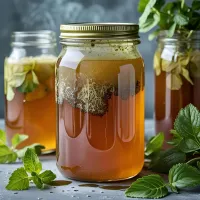
Pour your cooled sweet tea into your fermentation jar. Add your SCOBY culture (both the pellicle if you have one, and 2 cups of starter liquid from a previous batch). The starter liquid is actually more important than the visible pellicle - it contains the active bacteria and yeast that will ferment your tea.
3. Fermentation Phase
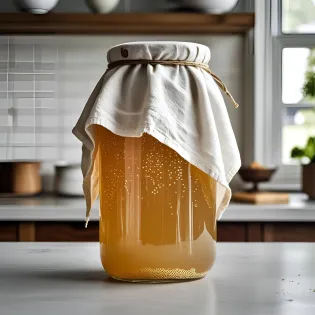
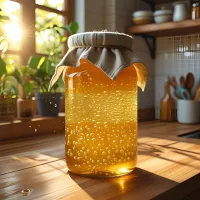
Cover your jar with a coffee filter or breathable cloth secured with a rubber band. Place it somewhere the temperature stays between 68-78°F without direct sunlight or temperature fluctuations. Now comes the hardest part for beginners - waiting and not interfering! Your kombucha will ferment over the next 7-14 days.
4. Harvest Phase
Start tasting on day 7 using a clean spoon. When it reaches your preferred balance of sweet and tart (usually day 10-12), carefully remove your SCOBY and pellicle with clean hands. Reserve 2 cups of finished kombucha as starter for your next batch.
5. Restart Phase
Pour the remaining kombucha through a fine-mesh strainer into bottles for second fermentation or immediate consumption. You can immediately start your next batch using the reserved SCOBY culture and starter liquid.
6. Optional Second Fermentation
Bottle your harvested kombucha in glass bottles, add flavorings if desired, and ferment 2-4 days for carbonation development. Check out our guide to flavoring kombucha for a complete run through.
Essential Equipment for Batch Brewing
Getting started with batch brewing doesn't require a huge investment. Here's what you actually need versus what's nice to have for successful kombucha brewing.
Must-Have Equipment
1-Gallon Glass Jar
This is your fermentation vessel and the most important piece of equipment. Glass is essential because it's non-reactive, easy to clean, and lets you observe fermentation progress. Look for wide-mouth jars that make adding ingredients and harvesting easier. Never use plastic containers for kombucha fermentation due to potential chemical leaching and bacterial harbor risks.
Coffee Filter or Cloth Cover
Your kombucha needs to breathe during fermentation while staying protected from contaminants. A coffee filter secured with a rubber band works perfectly, allowing gas exchange while keeping dust, fruit flies, and other unwanted visitors out of your brew.
Wooden Spoon
You'll need something non-reactive to stir your sweet tea and taste your kombucha during fermentation. Wooden spoons are ideal because they're gentle on your SCOBY culture and won't react with the acidic kombucha like metal utensils might.
Glass Bottles for Storage
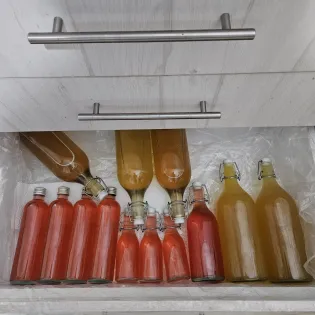
Swing-top bottles or thick glass beer bottles work best for storing finished kombucha and creating carbonation during second fermentation. The thick glass handles pressure safely, and the airtight seals maintain freshness and carbonation levels.
Nice-to-Have Equipment
pH Test Strips
While not essential, pH strips help you monitor acidity levels and ensure safe fermentation. Kombucha should maintain a pH below 4.5 for safety, and strips help you track this important metric as you develop experience.
Thermometer
Temperature significantly affects fermentation speed and flavor development. A simple thermometer helps you find the best location for your brewing jar and understand seasonal variations in fermentation timing.
Measuring Tools
Precise measurements improve consistency between batches. Having dedicated measuring cups and spoons for kombucha brewing helps maintain sanitary conditions and accurate ratios.
Batch Brewing Advantages
Understanding why batch brewing works so well for beginners helps you appreciate this traditional method and builds confidence in your brewing journey.
Complete Control and Flexibility
Batch brewing offers unmatched control over every aspect of fermentation, making it ideal for experimentation and learning fundamental principles.
Experimentation Freedom:
You can try different tea types, sugar sources, or fermentation timing between batches without affecting multiple brewing cycles. Want to test green tea kombucha? Interested in trying coconut sugar? Each new batch is an opportunity to experiment while maintaining a stable baseline process.
Timing Adjustments:
Every batch can have different fermentation duration based on taste preferences, seasonal temperature changes, or scheduling needs. This flexibility lets you adapt to life's demands while still producing excellent kombucha.
Recipe Development:
Batch brewing is perfect for developing signature flavors and techniques. You can document what works, adjust what doesn't, and gradually build a collection of proven recipes that suit your taste preferences.
Quality Assurance Benefits
Individual Monitoring:
Each batch receives dedicated attention throughout its fermentation cycle. You can observe SCOBY culture development, track flavor progression, and identify optimal harvest timing without managing multiple systems simultaneously.
Problem Isolation:
If something goes wrong - unusual flavors, contamination concerns, or fermentation issues - problems affect only one batch rather than weeks of continuous production. This containment makes learning from mistakes much less costly and stressful.
Fresh Start Advantage:
Every batch begins with optimal conditions and fresh ingredients. There's no concern about accumulated issues or declining system performance that can affect continuous brewing setups over time.
Lower Investment Requirements
Minimal Equipment Costs:
A complete batch brewing setup costs under $50 for quality equipment. This low barrier to entry lets you explore kombucha brewing without major financial commitment or space dedication.
Space Efficiency:
Batch brewing requires only a single vessel and minimal counter space. The compact footprint fits easily into most kitchens without permanent space allocation or significant lifestyle adjustments.
Scalable Growth:
You can easily scale production up or down based on consumption needs or available time. Add more jars for increased production, or pause brewing entirely during busy periods without maintaining complex systems.
Batch Brewing Disadvantages
Every brewing method has limitations, and understanding batch brewing challenges helps you prepare for potential issues and decide if this method suits your needs and expectations.
Time and Labor Considerations
Scheduling Challenges:
Batch brewing requires planning ahead to avoid gaps in kombucha supply. You need to start new batches before finishing current ones, which requires attention to timing and consumption patterns.
Setup Repetition:
Each new batch requires complete setup - brewing tea, cooling, measuring ingredients, and sanitizing equipment. While this process becomes routine, it does require more hands-on time per gallon compared to continuous methods.
Harvest Window Management:
Optimal flavor development occurs within specific time windows. Missing these windows can result in over-fermented, overly sour kombucha or under-fermented, too-sweet results.
Supply Consistency Issues
Production Gaps:
Without careful planning, you might experience periods without fresh kombucha while waiting for new batches to complete fermentation. This requires either maintaining multiple batches at different stages or accepting occasional supply interruptions.
Seasonal Variations:
Temperature changes affect fermentation timing, making summer batches ferment faster and winter batches slower. These seasonal variations require adjustment to maintain consistent supply and flavor profiles.
Travel and Vacation Challenges:
Extended absences can disrupt brewing schedules, as batches need attention at specific intervals. Unlike some continuous systems, batch brewing doesn't accommodate extended periods without monitoring.
SCOBY Culture Management
Frequent Handling:
Regular SCOBY manipulation increases contamination risk and culture stress. Each harvest and restart cycle requires clean handling techniques and careful culture management.
Culture Health Maintenance:
Maintaining SCOBY health between batches requires proper storage techniques and backup culture maintenance. New brewers sometimes struggle with culture preservation during brewing breaks.
Beginner Success Tips
Starting your batch brewing journey with proven techniques and realistic expectations sets you up for long-term success and enjoyment in kombucha making.
Establishing Good Habits
Maintain Brewing Logs:
Keep simple records of start dates, harvest dates, taste notes, and environmental observations. This documentation helps you identify patterns, improve techniques, and troubleshoot issues effectively.
Develop Consistent Routines:
Most successful batch brewers establish weekly routines - start new batches every Sunday, harvest the following Sunday. Consistency makes the process more manageable and reduces forgotten batches.
Start Simple and Build Skills:
Begin with basic black tea recipes before experimenting with green teas, herbal blends, or alternative sugars. Master the fundamentals before adding complexity to your brewing process.
Common Beginner Mistakes to Avoid
Temperature Control Neglect:
Maintain fermentation temperature between 68-78°F for predictable results. Too cold slows fermentation dramatically; too hot can damage your SCOBY culture or encourage harmful bacteria growth.
Insufficient Starter Liquid:
Always use at least 2 cups of starter liquid for 1-gallon batches. Skimping on starter liquid can lead to slow fermentation, increased contamination risk, and unpredictable flavor development.
Premature Interference:
Resist the urge to constantly check, move, or taste your fermenting kombucha during the first week. Patience allows proper fermentation while reducing contamination risks.
Building Long-Term Success
Scale Gradually:
Start with single batches to master techniques before expanding to multiple simultaneous fermentations. Rushing to high production often leads to quality issues and overwhelming complexity.
Learn from Each Batch:
Every batch teaches something new about fermentation, flavor development, or technique refinement. Embrace both successes and failures as valuable learning experiences.
Connect with Community:
Join online kombucha communities or local brewing groups to share experiences, get advice, and learn from other brewers' successes and challenges.
Quick Takeaways
• Batch brewing is the ideal starting method for kombucha beginners - it's forgiving, educational, and low-risk
• Essential equipment includes a 1-gallon glass jar, breathable cover, wooden spoon, and glass storage bottles
• Never use plastic containers for kombucha fermentation or storage due to safety and quality concerns
• The basic process: prepare sweet tea, add SCOBY culture, ferment 7-14 days, harvest, and repeat
• Always use 2 cups of starter liquid per gallon for proper pH and safe fermentation
• Temperature control (68-78°F) is crucial for predictable fermentation timing and flavor development
• Each batch offers complete control for experimentation and learning without affecting other batches
• Batch brewing requires more hands-on time but offers maximum flexibility and beginner-friendly learning
• Common mistakes include insufficient starter liquid, temperature neglect, and premature interference
• Success comes through consistent routines, simple starting recipes, and patient observation
Frequently Asked Questions
How long does batch brewing take from start to finish?
Batch brewing typically takes 7-14 days depending on temperature and taste preference. Warmer temperatures (75-78°F) accelerate fermentation to 7-10 days, while cooler temperatures (68-72°F) extend the process to 10-14 days. Most beginners harvest around day 10-12 when the sweet-tart balance reaches their preferred taste.
What's the difference between batch brewing and continuous brewing?
Batch brewing creates complete individual fermentations from start to finish, then starts fresh with new batches. Continuous brewing maintains ongoing fermentation, regularly harvesting mature kombucha while adding fresh sweet tea. Batch brewing offers more control and flexibility for beginners, while continuous brewing provides consistent production for experienced brewers.
Can I use any type of tea for batch brewing?
Black tea works best for beginners because it provides optimal nutrients for SCOBY culture health. Green tea, white tea, and oolong also work well once you're comfortable with the process. Avoid pure herbal teas as your base since they lack nutrients, though you can blend them with black or green tea for flavor variety.
How much kombucha does one batch produce?
A standard 1-gallon batch produces approximately 14 cups of finished kombucha after reserving 2 cups for your next starter. This typically fills 6-7 16-ounce bottles, providing 1-2 weeks of kombucha for moderate consumption, depending on your drinking habits and household size.
What happens if I forget about my batch?
Over-fermented kombucha becomes increasingly sour and eventually turns into kombucha vinegar. While not harmful to consume, it's usually too acidic for drinking. However, over-fermented kombucha makes excellent starter liquid for future batches or can be used as cleaning vinegar around the house.
Is batch brewing more cost-effective than buying kombucha?
Yes, significantly. Homemade batch brewing costs approximately $0.50-1.00 per gallon compared to $12-20 for store-bought kombucha. Your initial equipment investment ($25-50) pays for itself within the first month, and ongoing ingredient costs are minimal - mainly tea and sugar.
How do I know if my batch is fermenting properly?
Signs of healthy fermentation include gradually increasing tartness, possible pellicle formation on the surface, slight bubbling activity, and a pleasant yeasty-vinegary aroma. The kombucha should taste less sweet each day and develop characteristic tangy kombucha flavor by day 7-10.
Can I speed up batch brewing?
While you shouldn't rush natural fermentation, maintaining optimal temperature (75-78°F) and using adequate starter liquid (2+ cups) promotes faster, more consistent results. Using a heating mat designed for fermentation helps maintain steady temperature during cooler months, but patience remains key to quality results.
Conclusion
Batch brewing kombucha is truly the perfect starting point for your fermentation journey. This time-tested traditional method has successfully introduced countless people to the art and science of kombucha making, and it offers the ideal combination of simplicity, control, and educational value for new brewers.
The beauty of batch brewing lies in its forgiving nature and clear learning progression. Each batch teaches you something new about fermentation timing, flavor development, SCOBY culture behavior, and your personal taste preferences. Unlike more complex brewing methods, batch brewing lets you master one skill at a time without overwhelming complexity or expensive equipment investments.
Remember that every kombucha expert started exactly where you are now. The occasional off-tasting batch, timing miscalculation, or fermentation surprise is part of the natural learning process, not a sign of failure. Each experience builds your intuition and confidence, gradually developing the skills that make kombucha brewing feel natural and enjoyable.
Start with simple black tea recipes to master the fundamental techniques, then gradually experiment with different teas, sugars, and timing adjustments once you're comfortable with the basic process. Keep detailed notes about what works and what doesn't, maintain consistent temperature control, and most importantly, be patient with both the fermentation process and your own learning curve.
Your journey into homemade kombucha starts with that first batch. Trust in this ancient fermentation process, embrace the learning opportunities each batch provides, and soon you'll be enjoying delicious, probiotic-rich kombucha crafted with your own hands. The satisfaction of creating this healthful beverage never diminishes, and the skills you develop will serve you well throughout your fermentation adventures.
References
-
Jayabalan, R., et al. (2014). "A review on kombucha tea—microbiology, composition, fermentation, beneficial effects, toxicity, and tea fungus." Comprehensive Reviews in Food Science and Food Safety, 13(4), 538-550.
-
Marsh, A.J., et al. (2014). "Sequence-based analysis of the bacterial and fungal compositions of multiple kombucha samples." Food Microbiology, 38, 171-178.
-
Nummer, B.A. (2013). "Kombucha brewing under the Food and Drug Administration model food code: risk analysis and processing guidance." Journal of Environmental Health, 76(4), 8-11.
-
Villarreal-Soto, S.A., et al. (2018). "Understanding kombucha tea fermentation: A review." Journal of Food Science, 83(3), 580-588.
Ready to start your batch brewing adventure? Share your first batch results, questions, and discoveries in the comments below! Whether you're celebrating your first successful brew or troubleshooting challenges, the kombucha community is here to support your fermentation journey. Tag us in your brewing photos and help inspire other beginners to take the leap into homemade kombucha!